Skip to content

AI and automation for business processes

AI thought it would take our jobs. We hired it.

Lately many people tell us: we want AI. Good. The first distinction to make, though, is where an automation saves you hours every week and where it would be just a demo that goes down well in a meeting and then nobody uses. We work on the first and leave the second alone.

We build artificial intelligence inside real products, integrated into your workflow.

When does it make sense to automate with AI?

Are you dealing with repetitive, high-volume work that you do by hand today and that takes hours every week, hours you could spend on higher-value activities? That is where automation pays back quickly. Where the volume is low or the process changes every time, it is often not worth it: and if that is the case, we tell you before writing a line.

The right question is how much time, or how many errors, we take off your plate. We always start from that number.

What we automate with AI

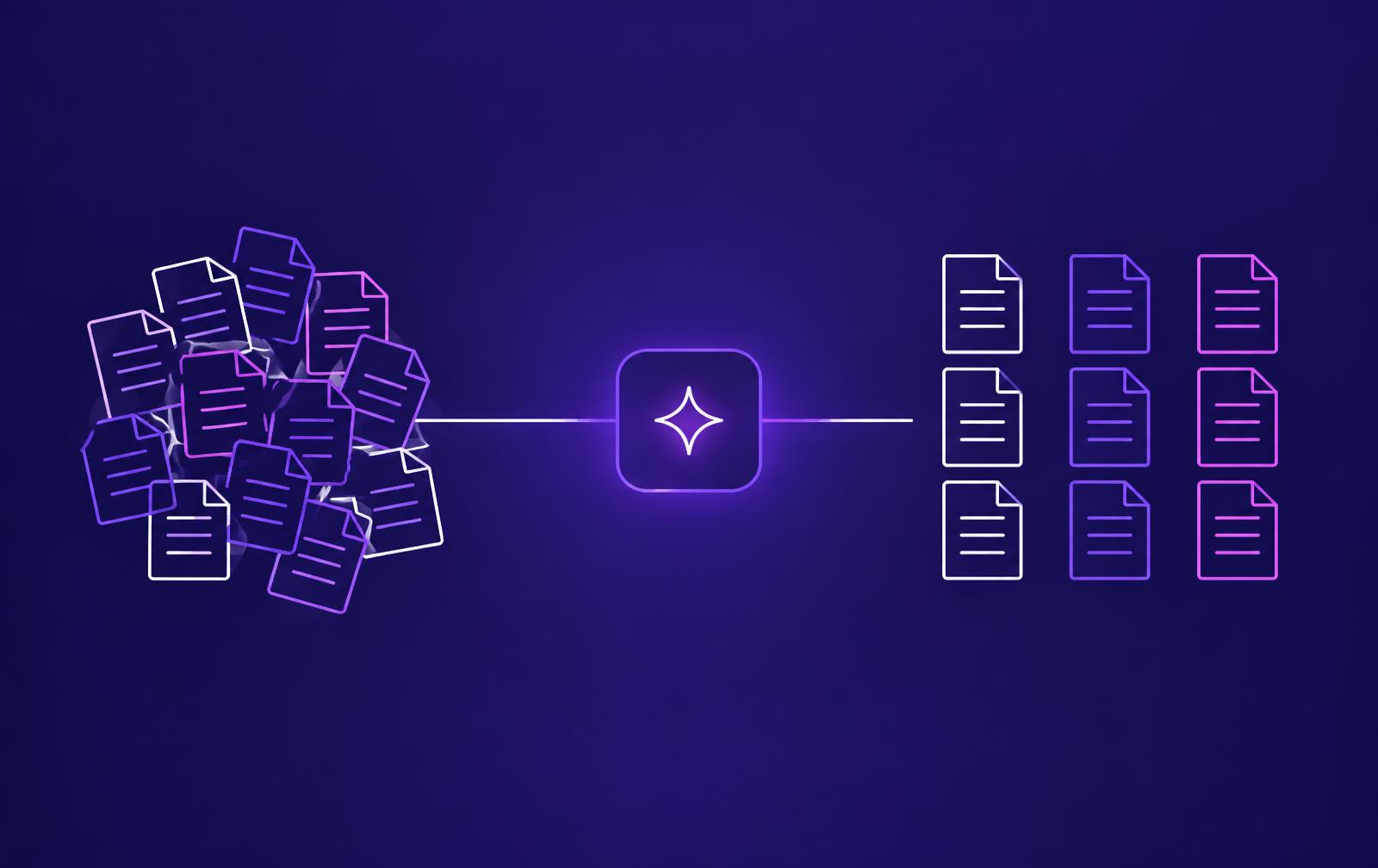
Lots of documents to read, lots of identical requests to sort, scattered data to put in order.

Assistants and agents

They answer from your company documents and data, not from a generic internet search.

Repetitive processes

Automation of the tasks someone does by hand today, from sorting to everyday operations.

Data extraction from documents

Contracts, invoices, requests, emails. The AI reads, understands and organises on your behalf, with automatic classification.

Internal copilots

They help your team by taking away the boring work, without replacing anyone.

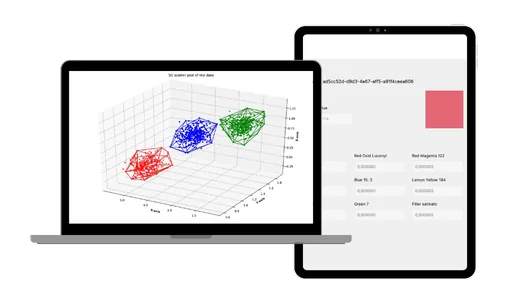
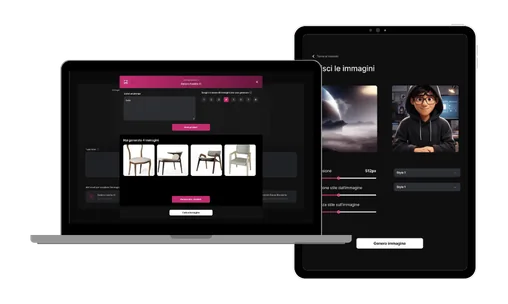
For Vernice Italia we built a neural network that, given an RGB colour, says how to mix it. For the Fondazione Fashion Research Italy, an AI tool that puts historic textile archives back into circulation without selling them short.

When AI is not needed.

Sometimes it is not needed, and we prefer to tell you. A good if statement beats a model costing thousands of euros a month, if the problem is simple. A well-made spreadsheet solves more than an agent, if the data is small.

AI is one tool among others, and we use it when it is the right one.

How we work with you

The same team that understands your process builds the automation and puts it into production.

We start from a small, measurable case: we take one process, automate it and see how many hours it really frees up. If the number is there, we widen it. If it is not, we do not insist on making the numbers work.

And we explain every technical choice, model or if statement alike. No black boxes.

Who we build it for

We work with companies that have many documents, many repeated requests or idle data nobody uses: manufacturing, financial services, healthcare, retail. And with those who already have a product and want to add intelligence where it is needed, without redoing everything.

The technology we use

LLMs and OpenAI models for assistants and agents. RAG to answer from your company data, not the world's. Neural networks with Keras and TensorFlow where a custom model is needed, style transfer for images, and Python to hold it all together.

Always inside a real product and integrated into the systems you already have. On sensitive data we design so that it stays within your perimeter: we have built platforms with ISO 27001 compliance, security is not a final add-on.

OUR CLIENTS

Satispay: Quinck clientProtesa: Quinck clientIMA: Quinck clientWEP: Quinck clientMottura: Quinck clientNuovo Circondario Imolese: Quinck clientBMI: Beauty Management Italia: Quinck clientSatispay: Quinck clientProtesa: Quinck clientIMA: Quinck clientWEP: Quinck clientMottura: Quinck clientNuovo Circondario Imolese: Quinck clientBMI: Beauty Management Italia: Quinck client
WORK

AI projects we have delivered

Frequently asked questions about AI and automation

How much does it cost to automate a process with AI?
It depends on what we automate: an assistant that answers from your documents costs far less than a model trained on your data. To see whether it pays off we compare the cost with the hours that work takes from you today, and we pick the first case small on purpose, to measure it quickly.
Is my company data safe if we feed it to an AI?
Yes, we keep it at the centre of the project. With RAG the AI answers from your documents without them ending up training other people's models, and on sensitive data we design so that it stays within your perimeter. We have already worked with ISO 27001 requirements.
Do I need a lot of data already to start an AI project?
For an assistant over documents, the documents you already have are enough; for a custom model you need more data. If it is not there, we tell you up front, instead of promising something that will not hold.
How long before I see results from an AI automation?
We start from a small, measurable case, so the first results arrive within weeks. If that case frees up real hours, we widen it. Better one automation that works on one thing than ten demos nobody uses.
Will AI replace my people?
That is not what we build. We make copilots that take away the repetitive, boring work, so your people can stay on the things that matter. We hired the AI, we did not put it in charge of firing anyone.
Do you use AI inside Quinck, on your own work?
Yes, to speed up some parts of development and take away repetitive work. But we use it as a tool, not a shortcut: it does not write code we do not understand, it does not make decisions for us and it does not replace human review. The same rule we apply with clients.
What is the difference between classic automation and an LLM applied to business processes?
Classic automation runs rules somebody wrote: if this arrives, do that. An LLM is for where rules cannot be written, because the input is human language: emails, contracts, requests, documents that say the same thing in twenty different ways. On your data we use it with RAG, so it answers from your documents instead of the world, and without them ending up training other people's models. But we have to be honest: where rules can be written, a good if statement beats a model costing thousands of euros a month, and in that case we tell you.
Where do you start when bringing AI into a company?
With the number, not the technology: how many hours, or how many errors, a repetitive job costs today. You pick one process, automate it on a small scale inside the flow the company already uses, and measure how many hours it really frees. If the number is there, you widen it.
When is it better not to use AI?
When the problem is simple or the data is scarce: a good if beats a model costing thousands a month, and a well-made spreadsheet solves more than an agent. If that is the case we tell you before writing a line of code.
FROM THE BLOG

We wrote about it

Is there a repetitive job that takes hours from you every week? Tell us about it. We will see whether it can be automated, and if it does not make sense we will tell you.

Let's talk Back to What we do