


Six to eight weeks
From prototype to first public release, used by real users.
Quinck is a software house in Imola, in Emilia-Romagna. Nineteen people who build MVPs and digital products for startups, and inside us a startup studio that builds products of its own, with its own capital.
The founders have worked together since 2019, when the first project was a public transport app that did not take off. The mistakes we talk about we made first ourselves, at our own expense.
First we check whether the idea stands up, then we build the smallest piece that can be put in front of real users, then we extend it on what they actually use.
From prototype to first public release takes six to eight weeks. The technical choices are the ones that hold from a hundred to a hundred thousand users, without building today the infrastructure you will need in five years.
On capital: we identify grant calls and prepare the documentation an application requires, with a dedicated person who also follows the reporting. The technical quote to attach to the application we write ourselves. How the instruments work is on the page about public funding for digital projects.
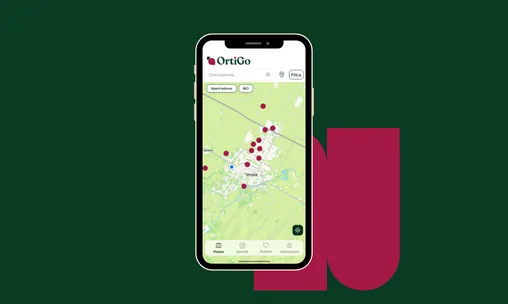
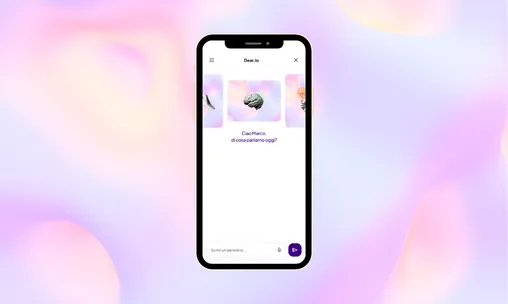
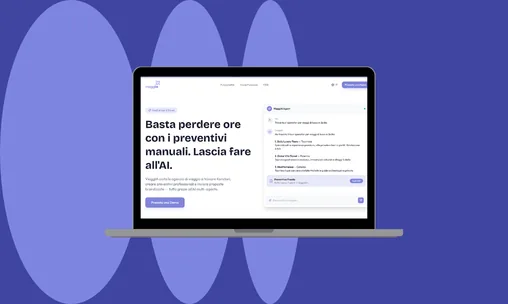
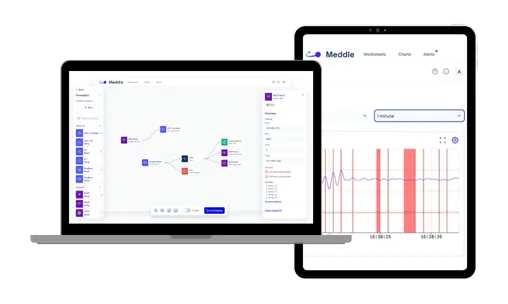
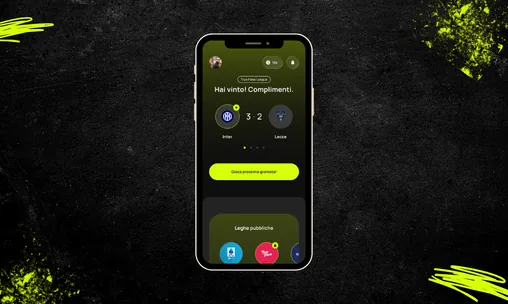
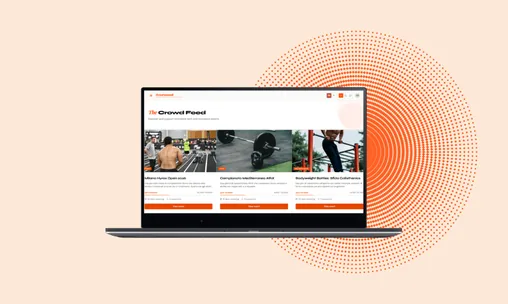
The Quinck startup studio has six products: OrtiGo, the map of local farms; Deario, a diary written with AI; ViaggIA, software for travel agencies; Meddle, which turns industrial data into decisions; KalciO, an elimination game on football leagues; TheCrowd, crowdfunding for tech events. You can find them all, with the method we use to validate them, in the startup studio section of the What's next page.
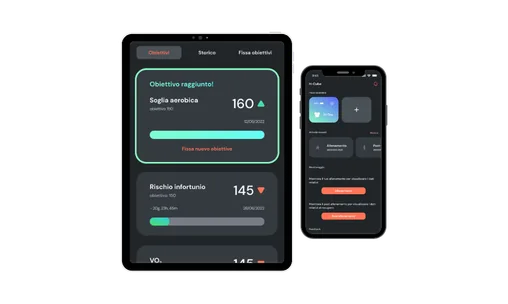
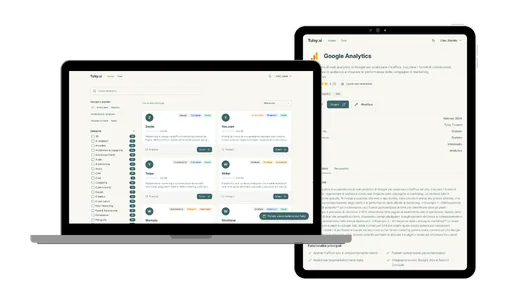
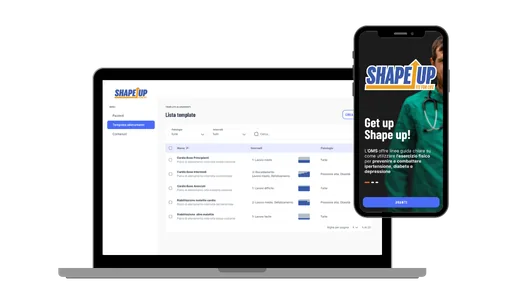
We have already worked with people at your stage: HCube, a startup incubated by the Politecnico di Torino, makes wearables that read vital signs; Tulsy is a marketplace of SaaS tools; Zerow notarises ESPR certificates; Shape-Up treats training like a medical prescription. After launch we stay, because that is when users and things to fix arrive.
From prototype to first public release, used by real users.
The founders started in 2019 with a public transport app that did not take off.
What holds from a hundred to a hundred thousand users, without building today the infrastructure you will need in five years.
A person dedicated to grant calls and funding, with the technical quote included when needed.
Quinck puts the figure in writing after reducing the idea to the smallest piece that can be put in front of real users. The price depends mainly on how many features are needed, how many external systems have to be connected and whether you need an app as well as the web. The first chat is free. Part of the cost can be covered by a grant, and in that case we say so before starting, not once work is under way.
We take a product from prototype to first public release in six to eight weeks, used by real users, not a demo for investors. Dates are set on the first piece, the one that tells you whether anyone uses it, not on the product imagined for next year.
We write the technical quote for grant applications, and it is a request we get often: description of activities, timelines, costs broken down by item and the technical part that a committee has to be able to assess. We have a dedicated person for grants and funding, who also follows the reporting after the award.
The MVP's code belongs to the startup that pays for it, with the repositories in its name from day one and the environment keys in the founders' hands. Whoever hires an in-house developer or changes supplier takes everything away without negotiation. Staying with Quinck should be a convenience, not an obligation.
We work in short cycles precisely because the first users almost always say something different from what was in the initial pitch. The change of course goes into the next cycle and the part already online stays up: at most you lose a few weeks of work, instead of starting over.
We have built products for HCube, a startup incubated by the Politecnico di Torino with wearables that read vital signs, for Tulsy, a marketplace of SaaS tools, for Zerow, notarised ESPR certificates, and for Shape-Up, training as a medical prescription. Inside Quinck there is also a startup studio with products of our own.
Two lines on the idea and where you are are enough: we reply within one working day.