System architecture
Distributed and maintainable, designed to carry growth instead of chasing it.
The worst time to find out the architecture does not hold is when the users finally arrive.
A product that does fine with a hundred users and collapses with a hundred thousand is not ready, it is lucky. We design the foundations to hold even if you grow tenfold, and so that whoever puts their hands on it after us understands something.
Foundations cannot be seen until they give way. Better to think about them first.
You need it when growth is near or already here and you do not know whether the infrastructure will hold: new users, new markets, peaks you could not handle today. You also need it when the cloud bill climbs for no clear reason, or when every release is a risk and nobody touches the system for fear of breaking it. If your product is stable, scales and costs are under control, you do not need us.
When one of Europe's fastest fintechs asked us for its new digital home, we did not just deliver a website: we delivered infrastructure designed to stand up while the company grows. That project was Satispay.
Distributed and maintainable, designed to carry growth instead of chasing it.
Configured and sized with care, with no surprises on the bill at the end of the month.
Frequent, fast releases, without holding your breath at every deploy.
Alerts and monitoring that warn you before a problem becomes an outage.
For WEP we built a global e-commerce that handles different markets and volumes. For Anubi Digital, an anti-money-laundering data warehouse that stores data, calculates risk and stands up to audit: when compliance is mandatory, the architecture cannot improvise.
If an architecture needs us to be understood, we built it badly.
A system that only the person who wrote it can touch is a problem that explodes the day that person is gone. We design so that your team, or whoever comes after, can find their way around it. The strength of an architecture is also measured this way: by how easy it is to understand.
Whoever draws the architecture is the same team that writes it and ships it to production: nobody designs on paper things that someone else later finds impossible.
We start from where you are: a check of the current infrastructure, the points that would give way under load, the costs that can be cut right away. Then we intervene by priority, fixing first what really slows you down, instead of rewriting everything for the sake of it.
And we explain every choice.
We work with people about to grow who want to get there ready: startups that scale, products entering new markets, companies with traffic peaks to handle. And with those under serious compliance constraints, from finance to healthcare, where the infrastructure has to stand up to audit as well.
AWS as the base: ECS and serverless Lambda to scale what has to scale, Aurora for data, CloudFront and WAF in front. Terraform to describe infrastructure as code, so it is repeatable and does not live in one person's head. Microservice architectures, CI/CD and observability to always know what is going on.
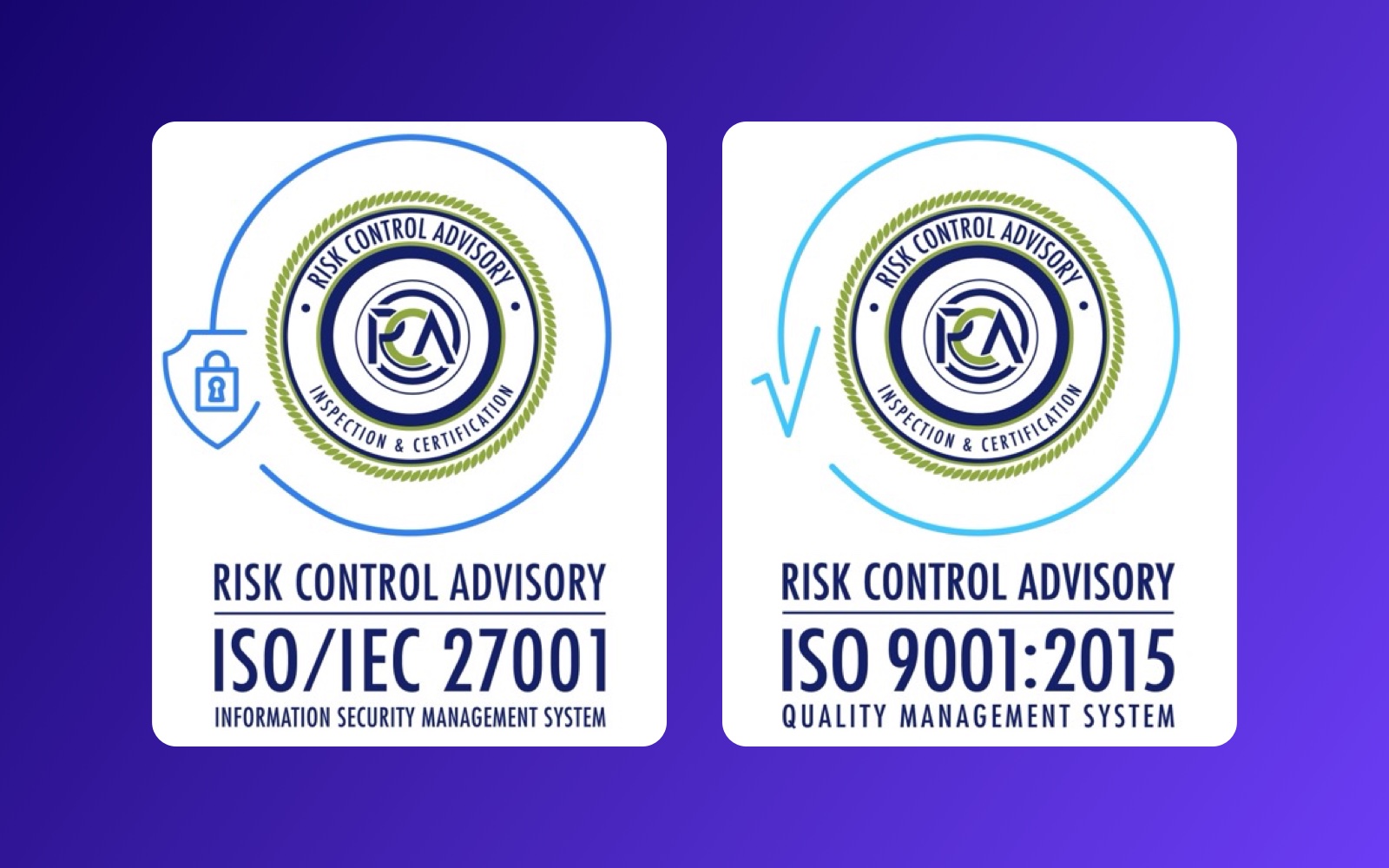
Where needed, we work with compliance constraints from the start, not as a final patch: GDPR, ISO 27001, HIPAA.





Not sure your infrastructure will hold through your next stage of growth? Let us run a check together. We will look at where it would give way and what is worth fixing, without selling you a rebuild you do not need.
Let's talk Back to What we do